
The man who reads the marshes
22nd March 2026
Avocets over Cley Marshes © David North
As the Norfolk Wildlife Trust celebrates its centenary, Natalie Douglas meets volunteer reserve guide David North where it all began – at the Trust’s Cley Marshes nature reserve
Cley Marshes is a place that makes you look up. Not just at the birds, though they are everywhere, but at the sky itself. The cloudscapes, the rainbows, the passing storms rolling in off the coast. The wind, always a presence. The wide horizons that remind you, gently but firmly, that nature is larger than you are.
For David North, Cley has been life-changing in the truest sense. It’s a reserve he returns to in every mood, and one that meets him with moods of its own: dawn and dusk, peaceful summer days, or the wild drama of winter weather.
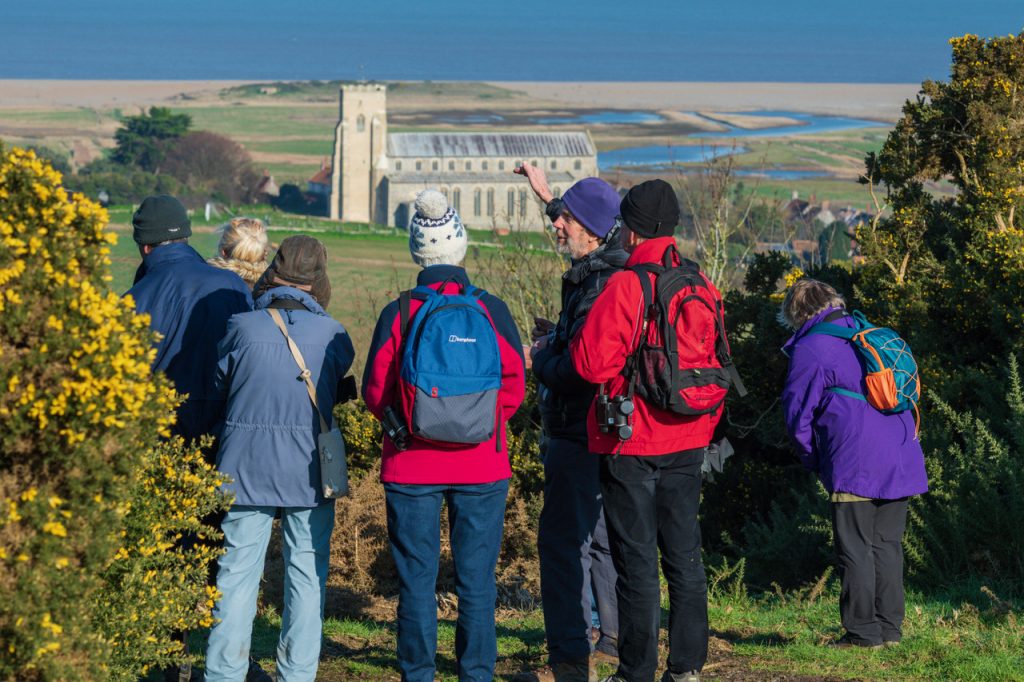
‘Relationships with place,’ he says, ‘like those with people, deepen over time. Paying deep attention deepens love, knowledge and understanding.’ That sense of connection lies at the heart of David’s story, and at the heart of Norfolk Wildlife Trust’s centenary year.
Founded in 1926, Norfolk Wildlife Trust was the first of its kind, born from the purchase of Cley Marshes as a breeding bird sanctuary to be held ‘in perpetuity’. One hundred years on, Cley remains its spiritual home: a landscape shaped by tide and shingle, by conservation pioneers, and by the countless visitors who have come here to feel part of something wilder.
David first joined the Trust during a challenging period in his life, starting a new role while his son was in hospital. What he remembers most clearly is not the job title, but the welcome. ‘There really was a family atmosphere,’ he recalls, and a deep sense that everyone cared profoundly about Norfolk’s wildlife. He was inspired early on by colleagues whose passion and drive helped shape the work they built together.
Conservation, for David, was never a late discovery. It began in childhood, nurtured by parents, bird clubs, and heroes like David Attenborough, Gerald Durrell, Peter Scott and David Bellamy. Birds became his first great love, and Cley, he says, remains connected to half the planet through migration. ‘It’s busier than Heathrow every day,’ he smiles, with arrivals and departures written across the marsh.
In winter, great skeins of pink-footed geese and brent fill the sky. Wigeon whistle over the freshwater pools. Curlews and redshanks call across the open landscape. In summer, the reedbeds are alive with sound: sedge warblers, reed warblers and bearded tits; swallows that choose to nest in the hides, delighting visitors. Offshore, terns call and plunge-dive for silver fish. Every visit is different. Always full of beauty.
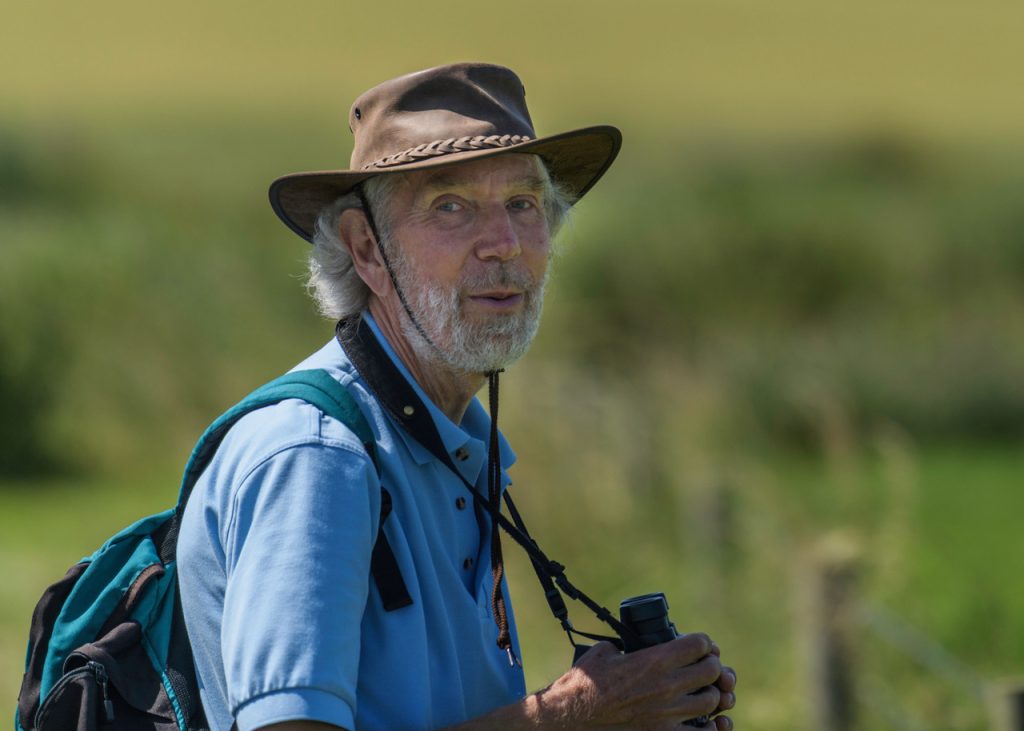
Over the decades, David has watched Cley Marshes evolve. The most significant changes, he says, have been in how people experience the reserve: the opening of the larger visitor centre in 2007, and later the Simon Aspinall Wildlife Education Centre, bringing more people into closer contact with nature than ever before.
The landscape itself has also reminded everyone of its power. David speaks vividly of December 2013, the storm surge that pushed seawater across the reserve and shifted millions of tonnes of shingle in a single night. For a time, it seemed the freshwater marsh might become saltmarsh forever. Then, within weeks, natural processes sealed the breaches again. ‘To witness nature’s forces shaping the landscape on that scale,’ he says, ‘is a very moving experience.’
Ask David where still stops him in his tracks, and he doesn’t hesitate: Cley’s East Bank. He has walked it hundreds of times, yet each walk brings different birds, different light, different weather moods. ‘You can’t know Cley without knowing its winds,’ he says.
In a world that can feel increasingly disconnected from nature, David’s hope is simple: that visitors leave with a deepened love of wild places, and the feeling that they are not separate from nature, but part of it. That sense of belonging, he believes, is where care and protection begin.
‘When we give nature half a chance, miracles happen.’
David North
Looking ahead, he worries, like many, that action on climate and biodiversity may not come fast enough. But he also holds onto hope in nature’s resilience. ‘When we give nature half a chance,’ he says, ‘miracles happen.’ Avocets, marsh harriers, spoonbills and egrets have all returned to Cley because habitat was protected and allowed to thrive.
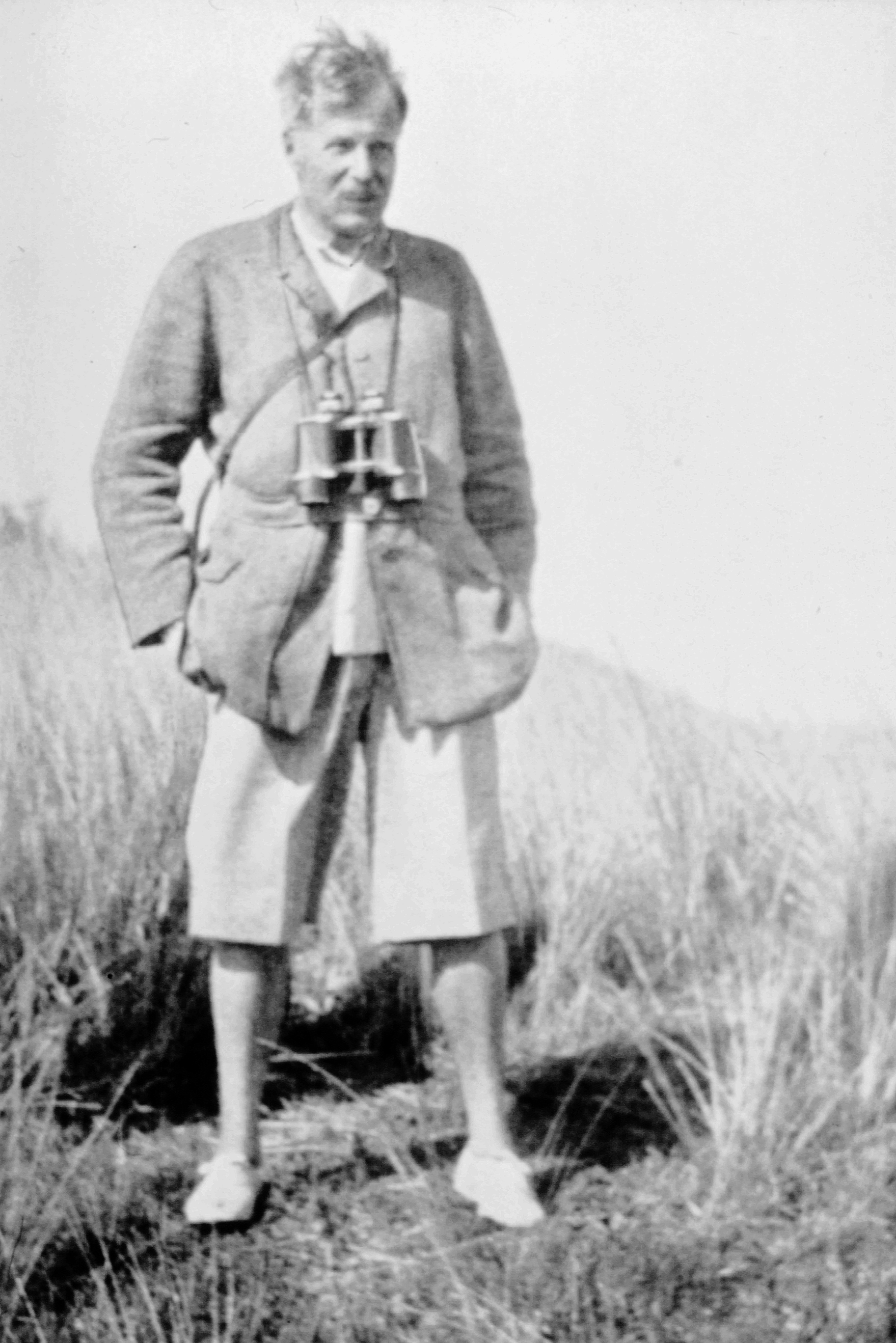
If Dr Sydney Long who founded Norfolk Naturalists’ Trust (today’s Norfolk Wildlife Trust) could stand beside him today, David thinks he would be astonished by the visitor centre, by the numbers of people who now come daily, and by the legacy that began here: a movement of Wildlife Trusts and nature reserves across the UK.
And what does he hope for the next hundred years? That Norfolk Wildlife Trust will still be known for its vision, its reserves, and its willingness to reach out to everyone, residents and visitors alike, to share love, respect and gratitude for the natural world.
Right: Dr Sydney Long founder of Norfolk Naturalists Trust (today’s Norfolk Wildlife Trust)
A centenary invites us not only to look back, but to find our bearings. At Cley, under that vast Norfolk sky, David North remains something of a north star, guiding people, quietly and steadily, towards wonder.
For more information on how to get involved in celebrating 100 years of the Norfolk Wildlife Trust, visit www.norfolkwildlifetrust.org.uk/centenary